
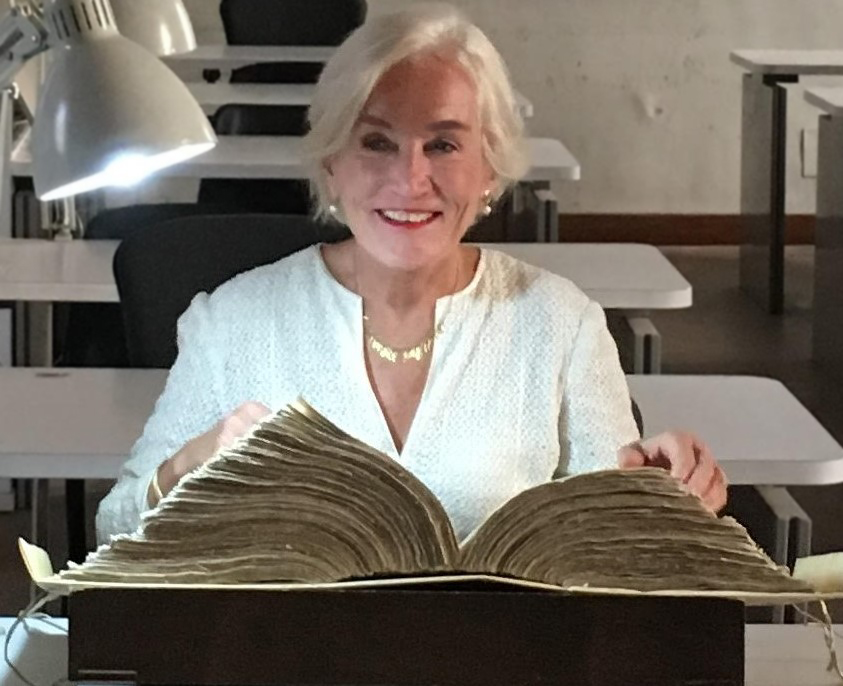
Maryvelma Smith O’Neil
Maryvelma Smith O’Neil is the Founder and Director of ARCH Jerusalem. She received her M.A. from Tulane University and her D. Phil from Oxford University in the history of art. She has taught, researched, lectured and published on the intercultural history of art, cultural politics, arts of the Islamic world, and digital tools for cultural heritage preservation. During her research in Jerusalem as a PARC/NEH Fellow (2018-2019), she developed The Mughrabi Quarter Digital Archive. The Virtual Illés Initiative, which has already produced an interactive website in its first phase, will soon bring Jerusalem to the world via an immersive, installation. The project has been presented at conferences in Bethlehem, Geneva, and Jerusalem.
Maryvelma is the author of several books and numerous articles. Some of her most recent works include:
LIVING JERUSALEM. The Virtual Illés Relief
The Mughrabi Quarter Digital Archive and the Virtual Illés Relief Initiative
Further publications and articles can be viewed here.
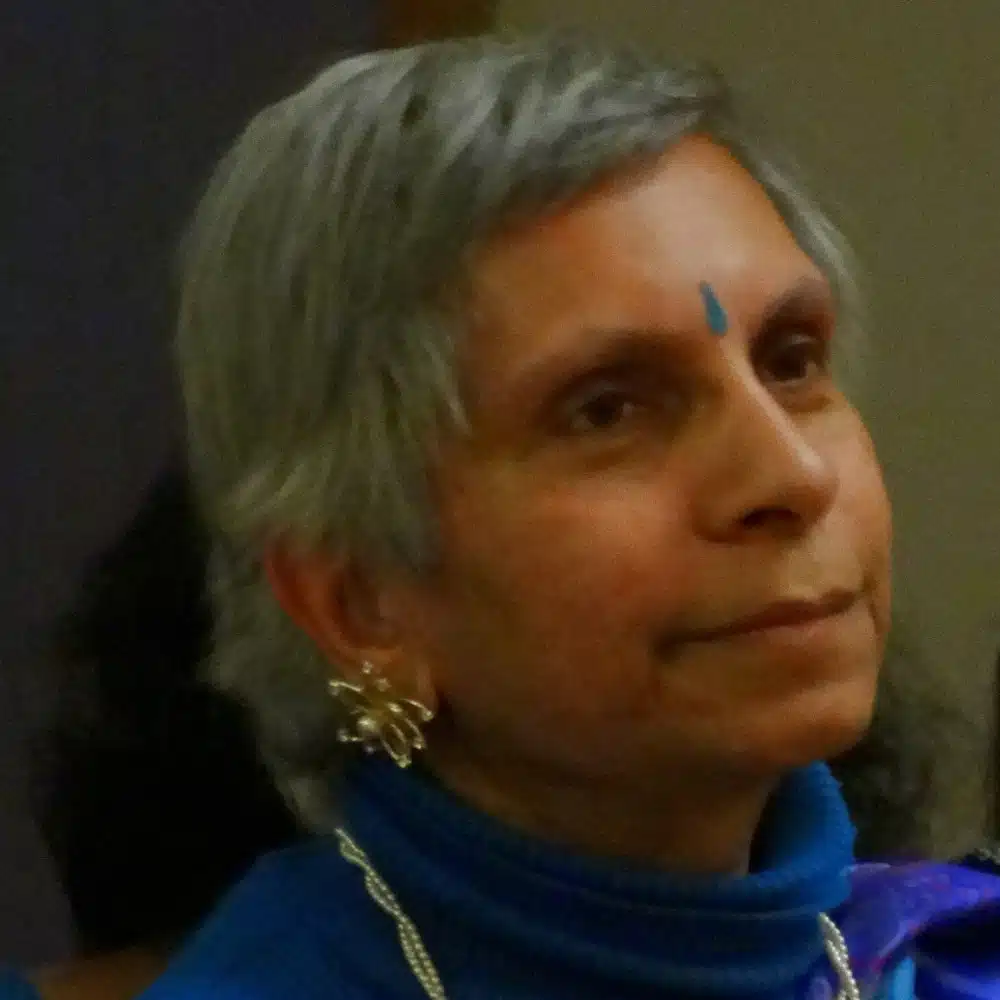
Debjani Chatterjee
Debjani Chatterjee was educated in India, Japan, Bangladesh, Hong Kong, Egypt, and England. She received M.A. degrees from the University of Kent and Leeds Beckett University, and a PhD from Lancaster University. A poet, translator, and children’s writer, she has published over 75 books.
In 2008, Debjani received an MBE for services to literature and was selected in 2012 as an Olympic Torchbearer in the Arts and Culture category. She was a member of the jury and contributing poet at the Mamilla International Poetry Festival.
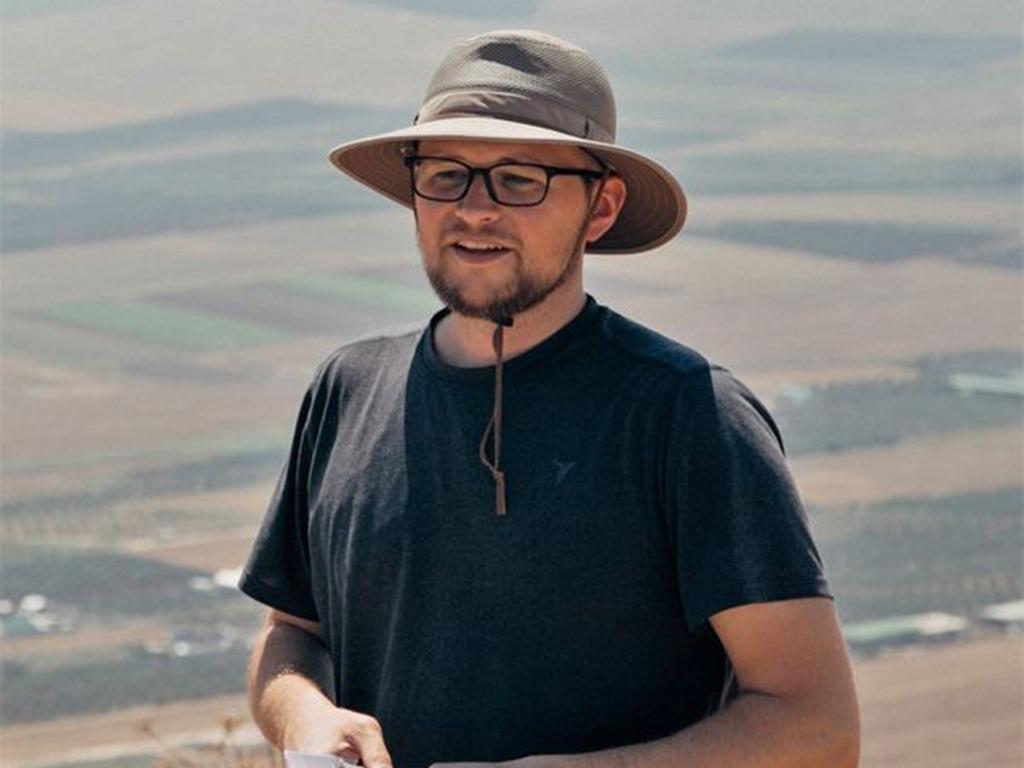
Chandler Collins
Chandler Collins holds M.A. degrees in Near Eastern archaeology, Old Testament, and Semitic languages from Trinity Evangelical Divinity School. He has lived in Jerusalem for five years and teaches historical geography courses on site throughout historic Palestine and Jordan. He has participated in excavations at Khirbet Qeiyafa and Abel Beth Ma’acah.
Chandler currently serves as the Administrative Dean at Jerusalem University College on Mount Zion. His research interests include historic Jerusalem with a focus on the Bronze and Iron Ages, as well as the 19th-century Ottoman city.
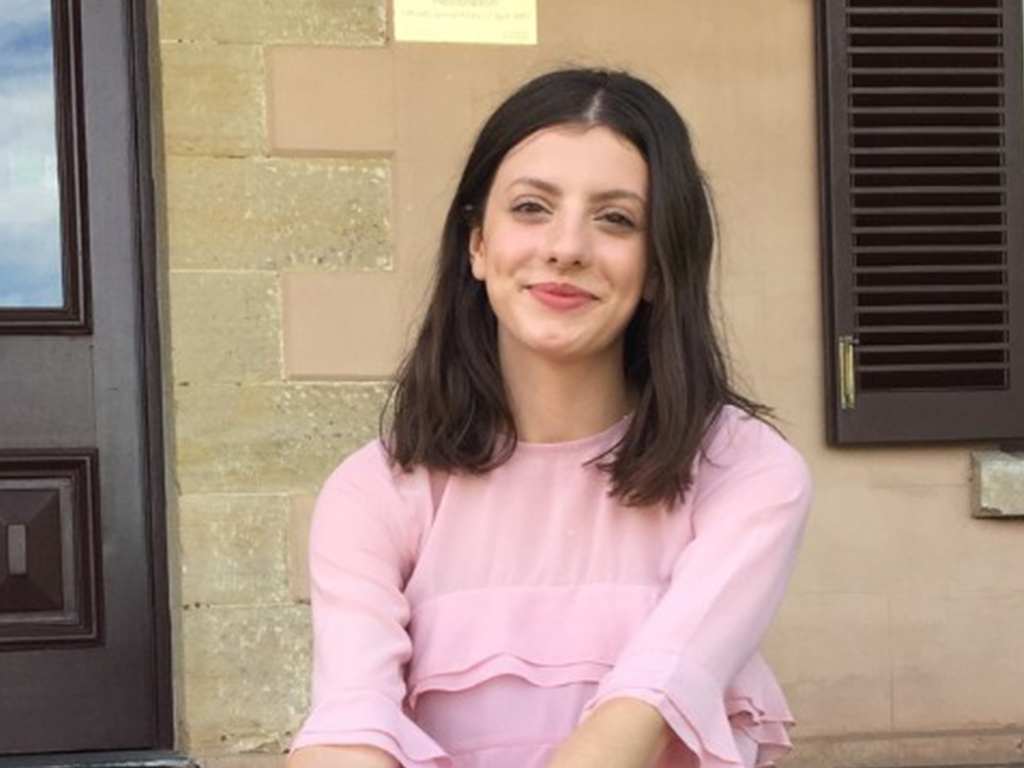
Connie Gagliano
Connie Gagliano is the design lead for ARCH. She received her Master’s degree in Simulation and Immersive Technologies with Excellence from the University of New South Wales (UNSW) and her Bachelor’s degree in Visual Communication from Billy Blue College of Design.
As a graphic and immersive designer, Connie brings a broad range of creative and technical skills to the team. Her work explores how immersive technologies, including augmented, virtual and extended reality can be used to tell and preserve cultural stories. With a strong foundation in user experience and interaction design, she creates engaging digital environments that connect audiences with heritage in new and meaningful ways.

Jean-Robert Gisler
Jean-Robert Gisler is a Classical Archaeologist who teaches Classical Archaeology at the University of Bern.
Jean-Robert was an Expert at the Swiss Federal Department of Justice and Police, Federal Office of Police (fedpol) in Berne, responsible for Stolen Cultural Property. He also served as a Member of the Interpol Expert Group in charge of Stolen Cultural Property.
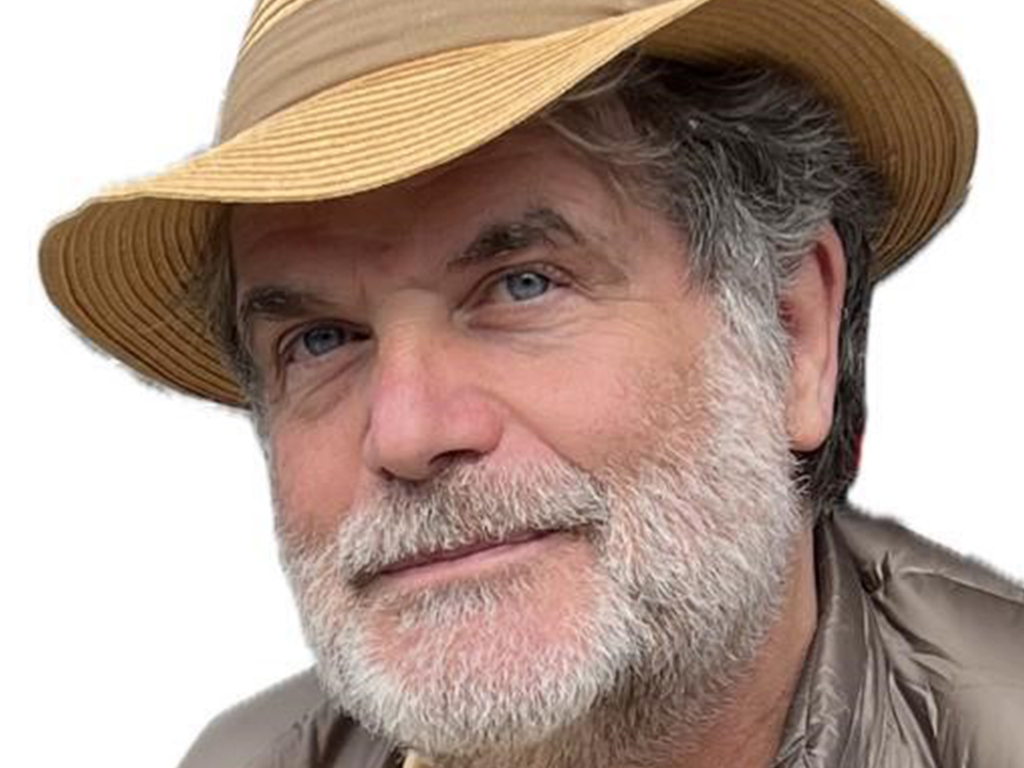
Marc-André Haldimann
Marc-André Haldimann studied Gallo-Roman archaeology at the University of Geneva and obtained his doctorate at the University of Lausanne. He is currently expert for the Swiss Federal Office for Culture (Bern).
Marc-André led field excavations in Umm-el-Walid, Jordan. During his tenure as Chief Curator of the Archaeological Department of the Museum of Art and History of Geneva, he curated the exhibition “Gaza—at the Crossroads of Civilizations” (2007). He is a member of Forensic Architecture.
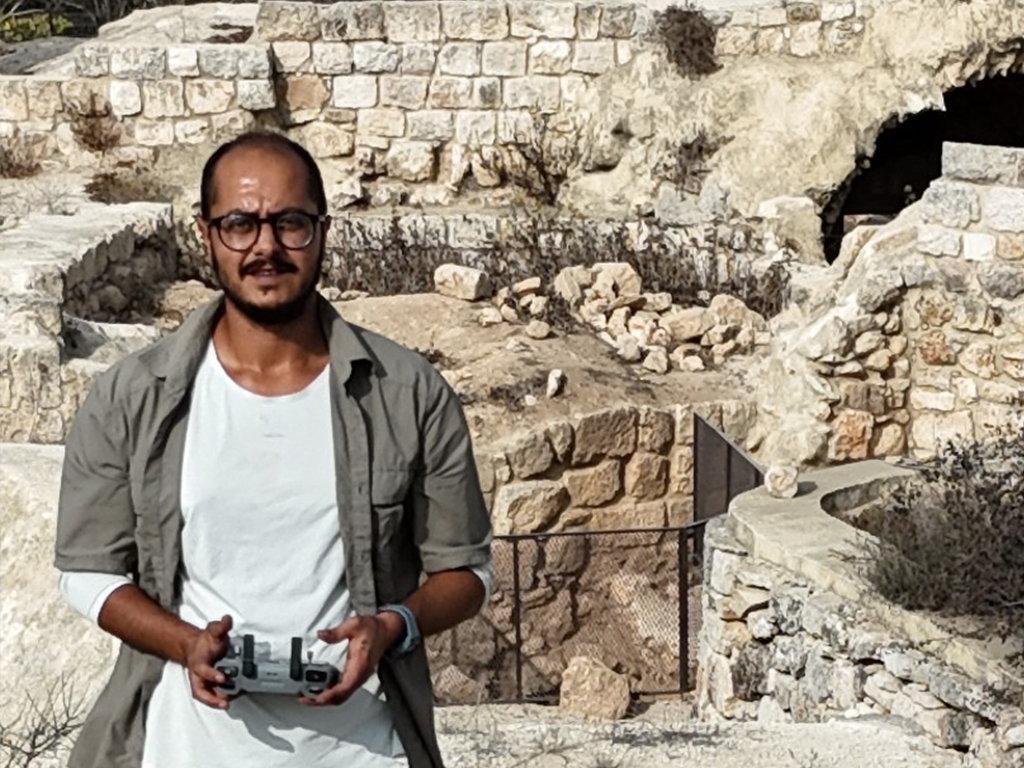
Ahmad Jamal
Ahmad Jamal is a structural and conservation engineer specializing in the preservation, analysis, and documentation of historic buildings and cultural heritage. He holds an MSc in Structural Analysis for Historic Constructions and brings over a decade of experience working on complex heritage sites across the place.
A central focus of his work is 3D digital documentation, where he employs laser scanning, photogrammetry, and other technologies to create precise and accessible representations of historic environments. He is particularly interested in how digital tools can support collective memory, community participation, and inclusive storytelling, ensuring that heritage is not only preserved physically but also meaningfully shared and understood.
In parallel to his engineering practice, Ahmad is developing Qantara, an initiative focused on the documentation and conservation of traditional architecture through integrated technical and digital methodologies. He is motivated to contribute to ARCH Jerusalem by supporting the development of accurate, immersive, and community-informed digital representations, and by bringing his expertise in 3D documentation and structural analysis to help preserve and communicate Jerusalem’s diverse and interconnected histories.

Fajer Abdulrahman Mohamed AlJasmi
Fajer Abdulrahman Mohamed AlJasmi has an M.A. in Human Rights from University College London and a B.A in International Relations from Webster University, Geneva.
Fajer has attained certificates and qualifications from the UN, UNHCR and the International Centre for Parliamentary Studies.
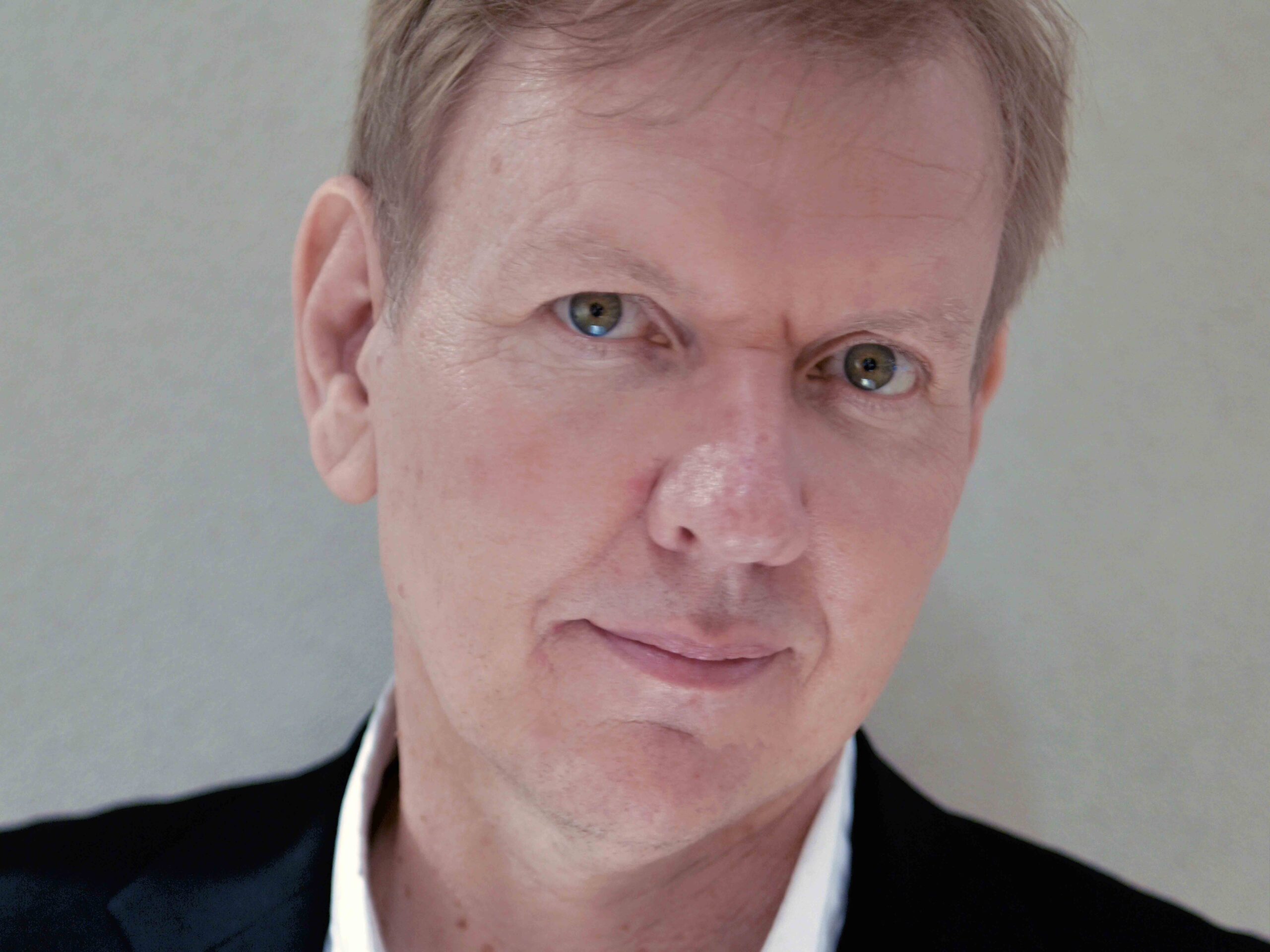
Anthony Löwstedt
Anthony Löwstedt studied philosophy and history of ideas in Gothenburg and Vienna, and received his Ph.D. in philosophy at the University of Vienna. He is currently a research professor at Webster University Vienna at the Media Communications Department.
Along with journalistic work, including interviews with Ilan Pappe, Shlomo Sand and Desmond Tutu, Anthony has published academic work extensively. Anthony has worked for the International Press Institute, and as a media consultant for the UNDP in the Occupied Palestinian Territories, where he also taught at Bir Zeit University.
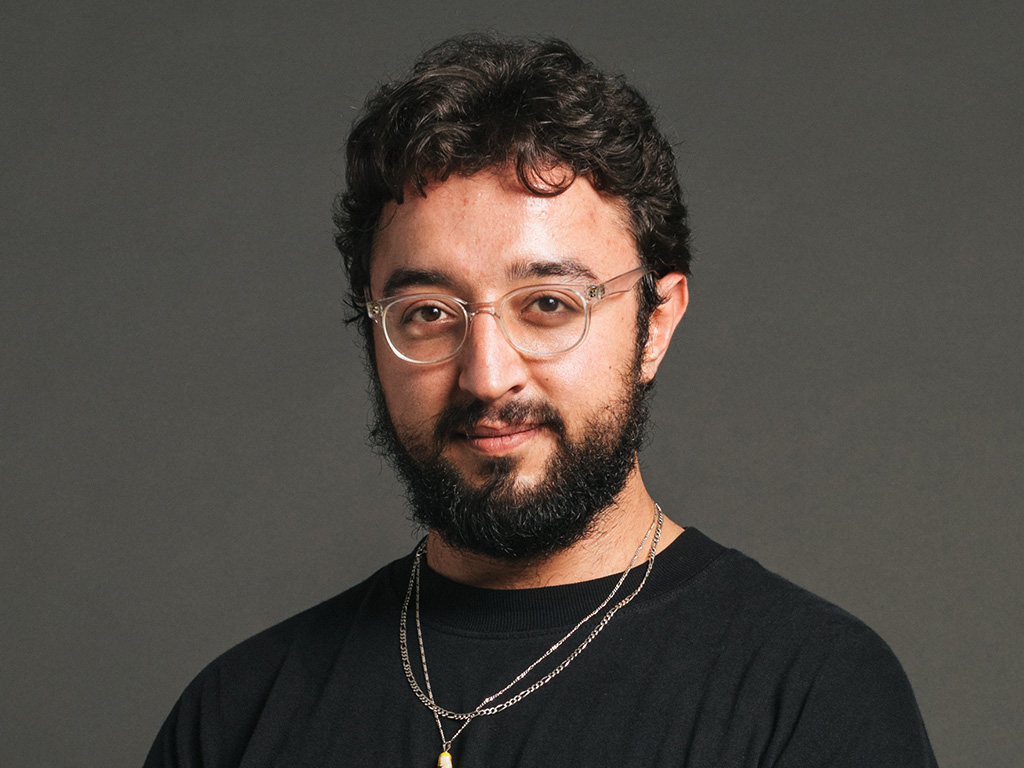
Nadeem Mazen
Nadeem Mazen is an artist, curator, and project coordinator from Jerusalem, Palestine.
As an artist, Nadeem focuses on raising questions and engaging the audience as an active part of the work itself, creating interactive pieces that establish a strong connection with viewers. His work — deeply rooted in his experience as a Palestinian living in Jerusalem and surrounded by art from a young age — explores various societal questions and local issues. He works from the philosophy that art is for the people and the community, emphasizing questions about the presence of artworks in specific times, spaces, and contexts — and their roles within them.
As a curator, Nadeem adopts a similar approach, collaborating with artists to ensure their works resonate with the public. He crafts exhibitions that offer new roles, spaces, and formats for art by reimagining traditional exhibition methods.
Beginning his journey as a volunteer in various festivals, Nadeem went on to become a core member of the Jerusalem Festival/Yabous Cultural Centre organizing team — a role he holds to this day. Having contributed to the planning and execution of numerous festivals, exhibitions, and cultural programs across Palestine, Nadeem has over 10 years of hands-on experience in the arts and culture sphere.
Visit Nadeem’s website here.
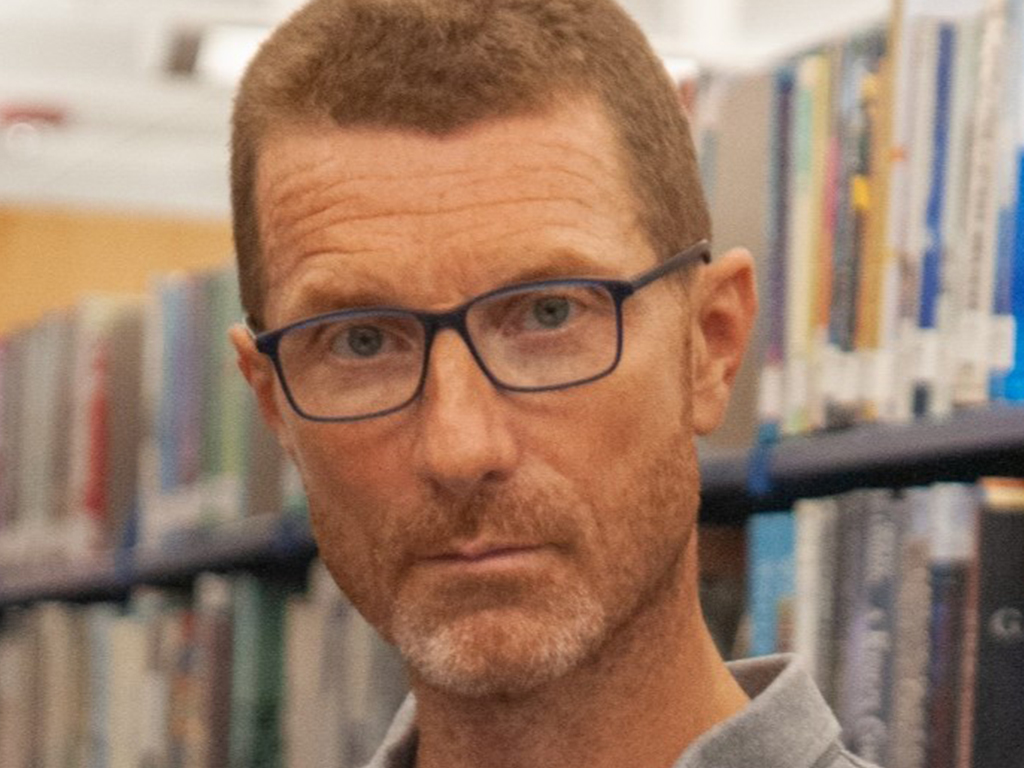
Roberto Mazza
Roberto Mazza is currently a Visiting Scholar at the Buffett Institute for Global Affairs, Northwestern University. He was previously a visiting professor at Northwestern and a Lecturer at the University of Limerick.
Dr. Mazza has written two books focusing on Jerusalem during the First World War period: Jerusalem: From the Ottomans to the British (2009) and Jerusalem in World War I: The Palestine Diary of a European Diplomat (2011). His scholarly output also encompasses numerous articles and book chapters exploring themes of urban history and the history of violence in the region.
Roberto is Executive Editor of the Jerusalem Quarterly. He hosts the popular “Jerusalem Unplugged Podcast“, which explores various aspects of Jerusalem’s rich history and contemporary issues and is a regular host for the New Books Network. He is a board member of “Filistin Araştırmaları Dergisi Yayın Kurulu [Bulletin of Palestine Studies].”
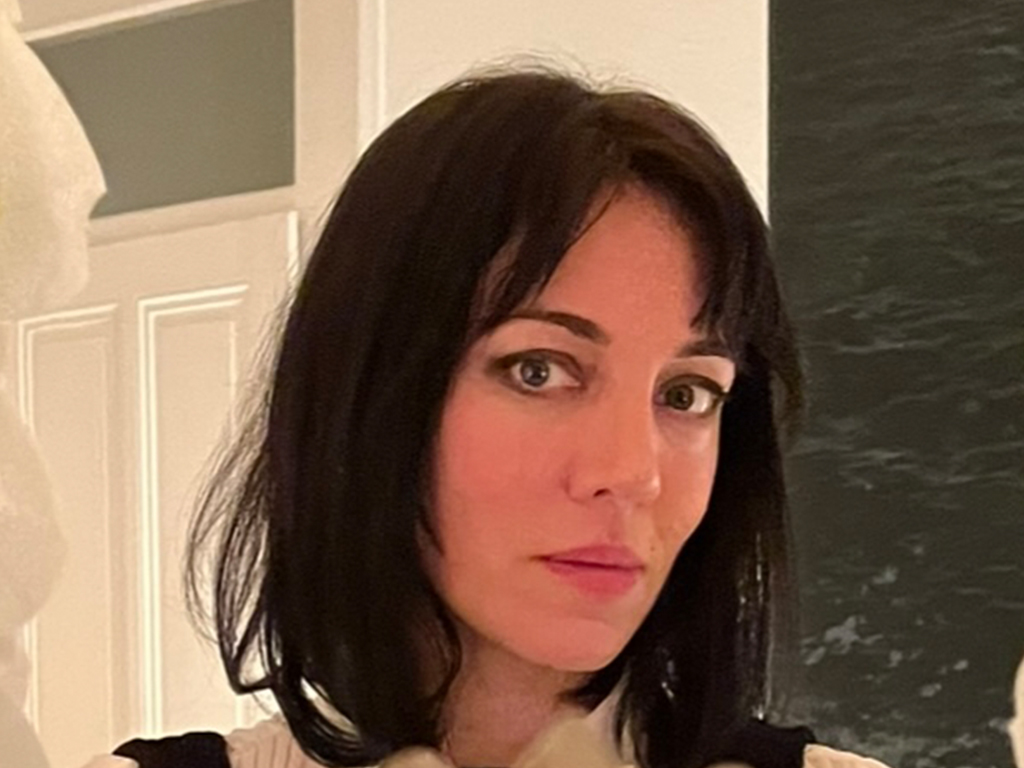
Kateri O’Neil
Kateri O’Neil is the acting editorial director of ARCH and is currently assisting in the development of The Virtual Illés Initiative as a creative consultant.
As creative director of ARCH’s The Mughrabi Quarter Digital Archive, Kateri worked to preserve the historic neighborhood — destroyed by Israel in June 1967 — through the development of an interactive virtual archive, accompanied by a historical overview of the quarter, as well as testimonies from survivors.
In addition to her role at ARCH, Kateri works as an editor for a range of cultural institutions and news platforms in Europe and the Middle East. She received her BA from Tufts University in Media & Communications and her MA from Sabancı University in Visual Art & Communication Design.
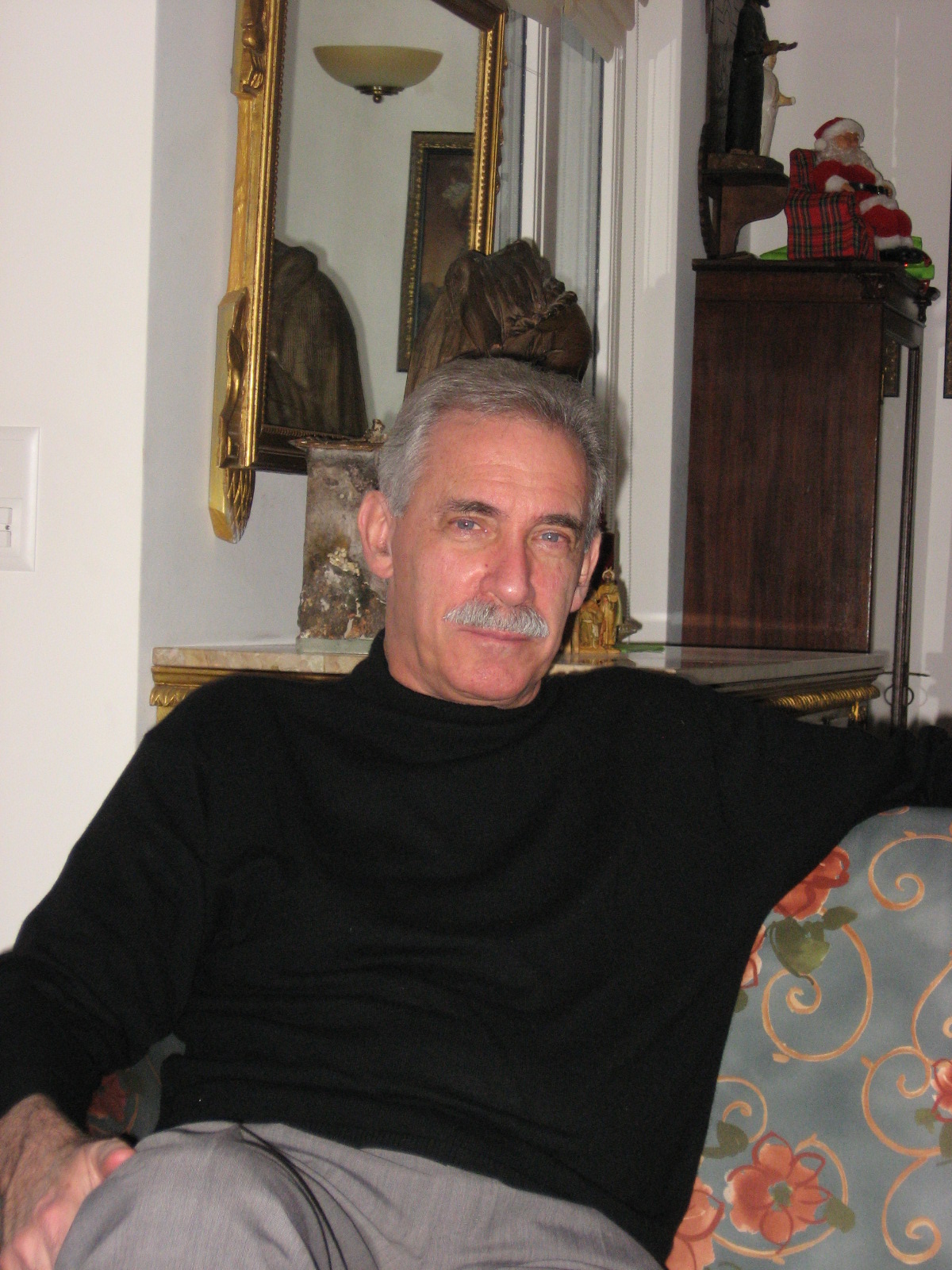
Michael D. O’Neil
Michael D. O’Neil received his B.A. in Marketing from Louisiana State University in New Orleans and his MBA from the University of New Orleans.
Mr. O’Neil’s career covered a wide range of organizations including multinational corporations (e.g., IBM, Intel), the International Labor Organization and Franciscans International.
Michael is a consultant in communications, strategic planning, and systems design.
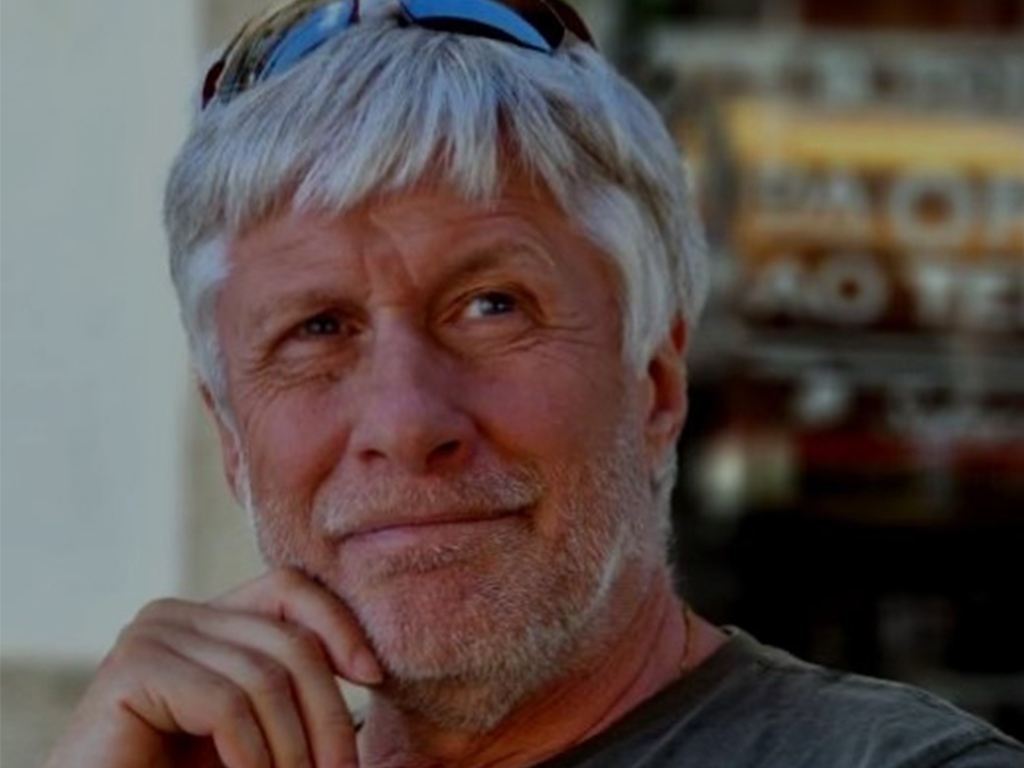
Francis Piccand
Francis Piccand received his Ph. D. from the Graduate Institute of International Studies of Geneva. Prior to assuming responsibility for the Think-Tank Middle East and North Africa at the Swiss Ministry of Foreign Affairs, he served as a delegate for the International Committee of the Red Cross (ICRC) and as a freelance journalist for the Middle East.
Francis taught International Relations at Webster University (Geneva) and the Geneva School of Diplomacy.
He is a member of the following: Swiss-based organizations and their respective activities in Israel/Palestine (Swisspeace), Chairman of the CRES Foundation (Centre de Recherches Entreprises et Sociétés), the Scientific Counsel at the “Geneva School of Governance”, and the Swiss Executive Committee “l’Oeuvre d’Orient.”
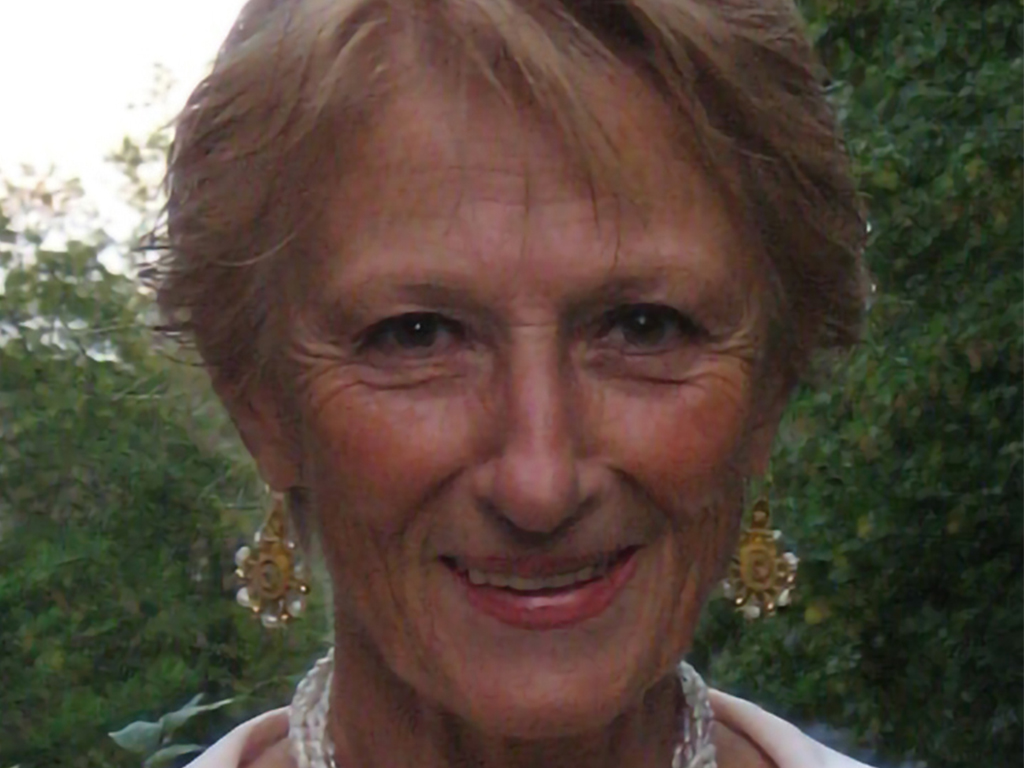
Ayda Sakbani
Ayda Sakbani was raised in Turkey and educated at the American College for Girls/Robert College. She received her B.A. from Barnard College in NYC, M. A. and Ph.D. from New York University. She was a tenured Associate Professor at the City University of New York.
Ayda was employed at UNHCR (1985-93).
She served as Academic Director of Webster University Geneva (1993-2010). She was awarded a M.A. in psychology from Webster in 2011 with a specialization in cross-cultural communication.
Ayda is active in Geneva in cultural heritage management in Switzerland.
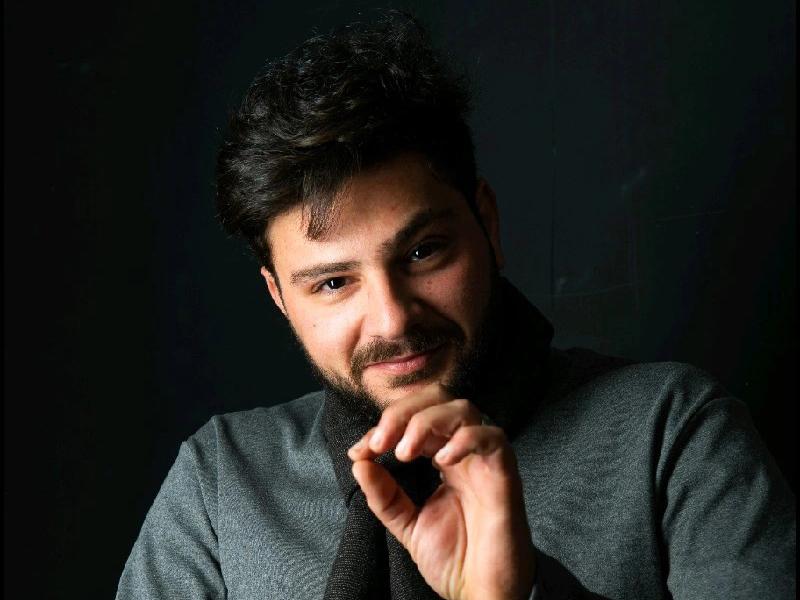
Hamza Sarraj
Hamza Sarraj is an architect who focuses on preserving cultural heritage and digital restoration. He has a B.A. in Applied Science and a BASc Architectural Engineering from Alfaisal University in Saudi Arabia. He has led projects that combine new technology with heritage conservation. This includes creating virtual reality experiences and immersive museum displays.
Hamza is founder and project director of Zamakan XR, a company that makes virtual reality experiences for museums and galleries. It also develops a platform for virtual tours of Jerusalem and other historic sites in Palestine. Through his work with ARCH Jerusalem, Hamza shares his knowledge in heritage documentation and digital preservation to help protect Jerusalem’s cultural histories through research, advocacy, and new technologies.
Experience a virtual tour of Al Asqsa, developed by Hamza and Zamakan XR here.
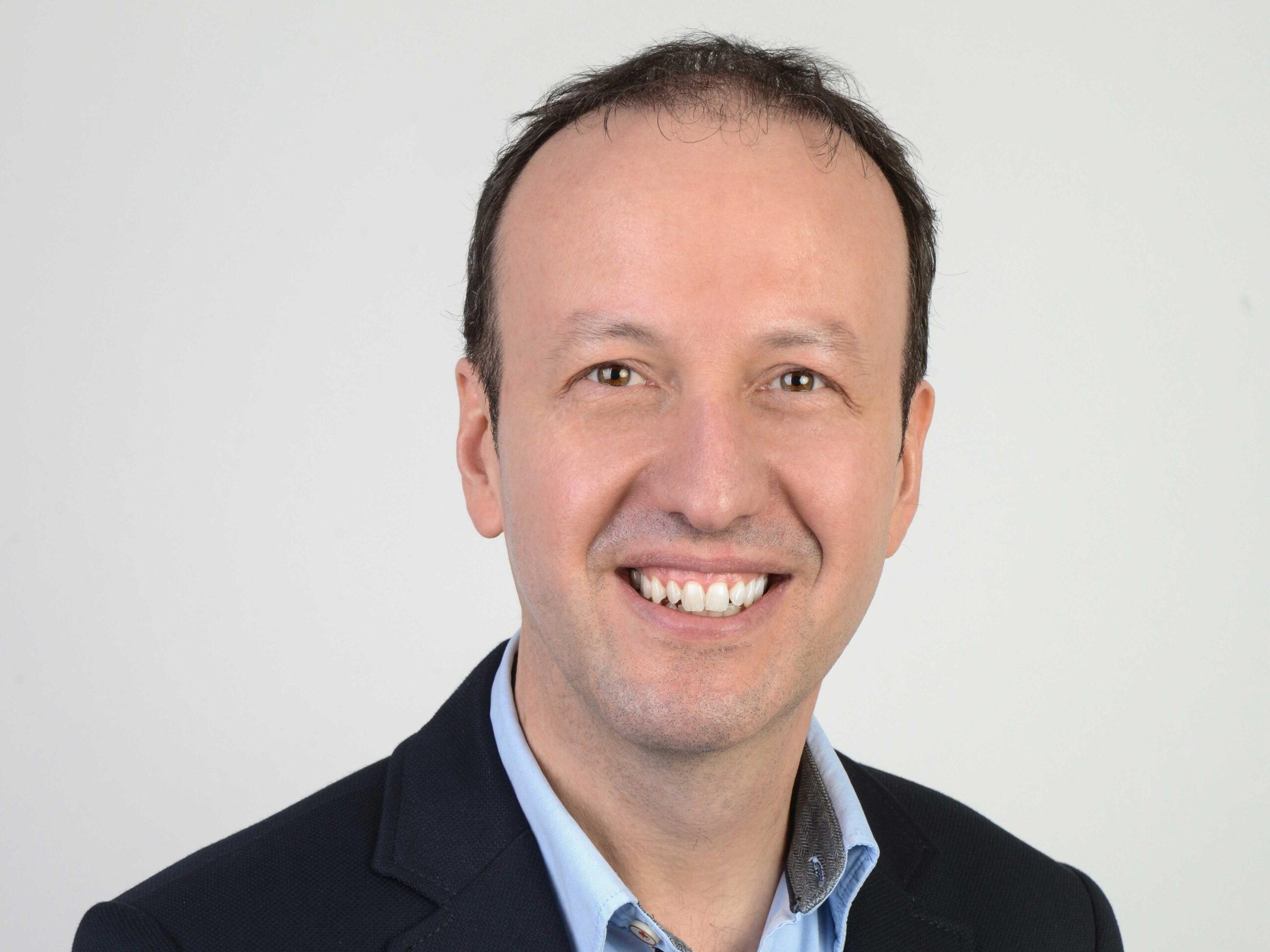
René Schegg
René Schegg (Director of the ARCH Scholars’ Support Project) is Head of Programme Development at the University of St. Gallen. He has an M.A. in Educational Sciences from LMU University Munich and and a Master’s In Public Administrations (MPA) from the Université de Lausanne. He led the University of Basel’s accreditation with the British Staff and Educational Development Association (SEDA).
René is committed to contribute in bridging academia with civil society and has extensive experience in serving for international NGOs (e.g. The International Federation of Social Workers). He is currently involved in facilitating cooperation between ARCH and other NGOs and civil society.
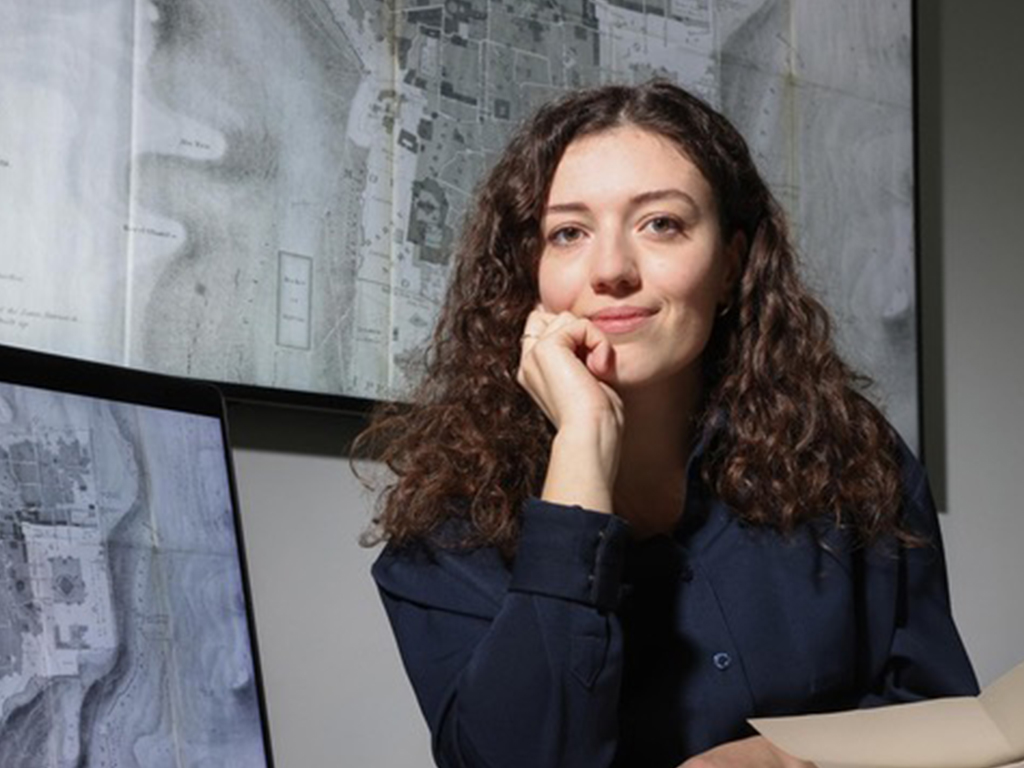
Beatrice Vaienti
Beatrice Vaienti is a researcher currently working with the Time Machine Unit (TMU) of the École Polytechnique Fédérale de Lausanne (EPFL). She focuses on 3D documentation and digital preservation of cultural heritage.
She received her Ph.D. in Digital Humanities from the École Polytechnique Fédérale de Lausanne (EPFL). Her research examined Western cartography of Jerusalem between 1810 and 1925 through its errors and distortions, exploring how inaccuracies can reveal insights into urban history and the circulation of cartographic knowledge. As part of this work, she developed innovative digital tools and methods to automatically analyse a dataset she compiled of 200 historical maps of the city.
Prior to her doctoral studies, Beatrice earned a Master’s degree in Architecture and Building Engineering from the University of Bologna, specializing in 3D reconstruction of cultural heritage. Her work bridges computational methods, creative design, and historical research to develop new ways of representing and engaging with cultural heritage and urban history.
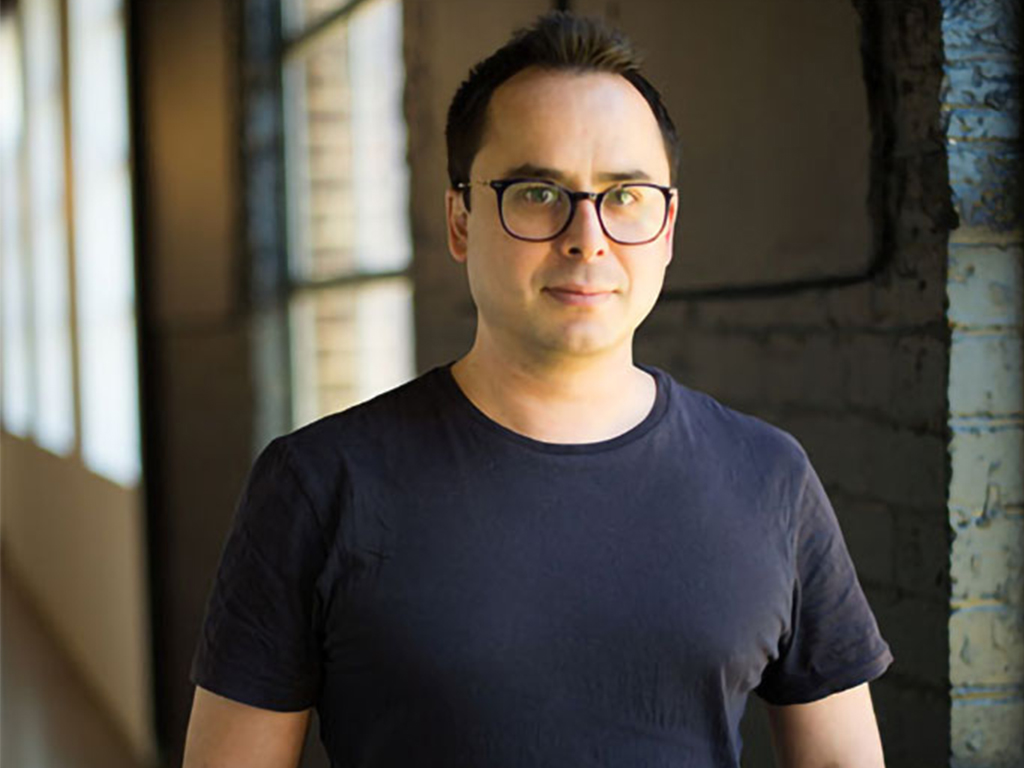
Andrew Yip
Andrew Yip is a researcher, art historian, immersive environment designer, and 3D artist working in experimental new media. He has a first class honors degree and PhD in Art History from the University of Sydney, and has been a visiting researcher at Bosphorus University, Istanbul. He is a lecturer in Immersive Design at the University of New South Wales.
Andrew is engaged in developing applications for immersive visualization and experimental digital technologies to the preservation and interpretation of important cultural heritage sites, collections and museums
He has contributed many creative works, book chapters, as well as conference papers and has developed expertise in historical artefact reconstruction.
He is Immersive Director of LIVING JERUSALEM, the culminating phase of The Virtual Illés Initiative.